Challenges and Souls in Kin and Conquest
Quotas, Soul rewards, and efficient challenge farming
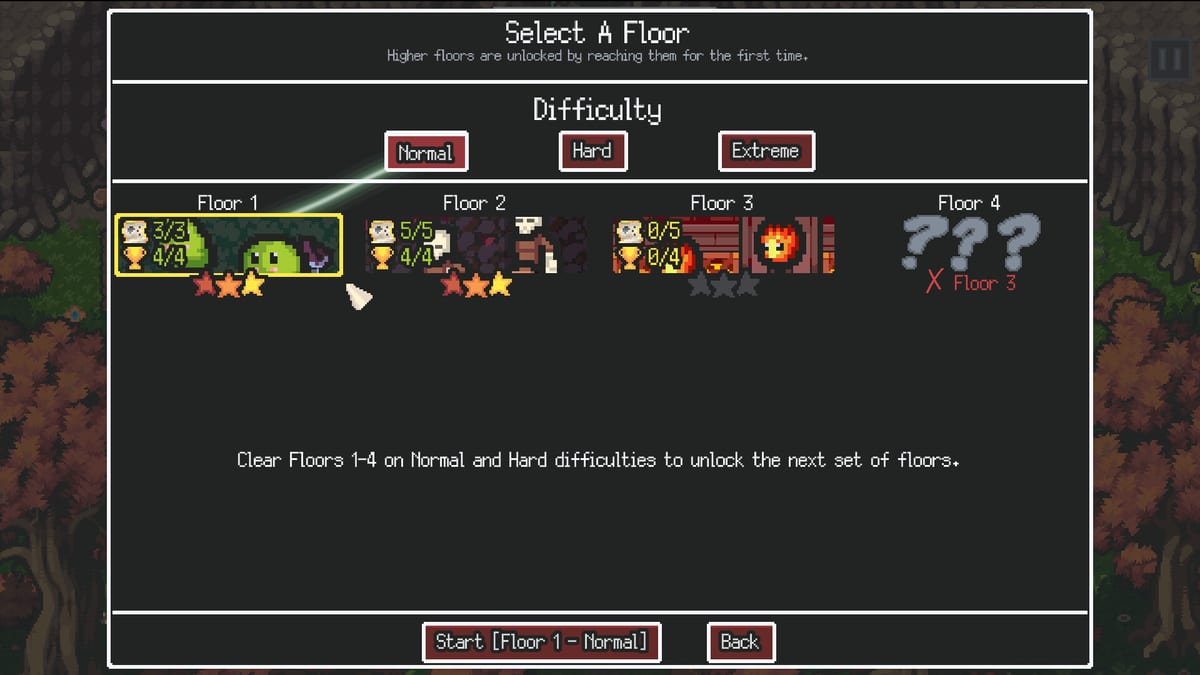
Kin and Conquest uses Challenges as optional floor goals that sit beside the main climb toward the Evil Geomancer. Completing them awards Souls and other progress hooks that feed permanent power more reliably than simply defeating a guardian once. Players often confuse Souls with first-time boss kills—the developer clarified in the 0.5.3 notes that Soul tooltips must not imply boss first clears alone grant Souls. Souls are tied to challenge completion.
This guide explains common challenge types seen in demo and 1.0 runs, how to farm kill quotas without stalling your mountain climb, and how Souls fit next to coins, Blessings, and skill nodes. Pair it with How to Beat Bosses, Combat Basics, and the Progress Checklist tool.
What challenges are for
Challenges appear as floor objectives such as:
- Slay a large number of enemies on a floor (hundreds of kills are common).
- Defeat the floor guardian with shields remaining.
- Complete named difficulty or floor-specific goals unlocked as you progress.
They exist to stretch incremental play: you may already be strong enough for Extreme difficulty yet still return to Normal floors to finish a kill quota. That friction is intentional for Soul income, even when it feels like grinding.
Souls versus coins and Blessings
| Resource | Primary source | Spends on |
|---|---|---|
| Coins | Mining ore, combat pickups | Weapon upgrades, shops, respec costs |
| Blessings | Level-ups during a run | Permanent run power |
| Souls | Challenge completion | Longer-term meta unlocks / soul shop style upgrades |
Treat Souls as a parallel track. A run that skips challenges can still clear floors, but permanent Soul upgrades may lag. When a Soul description mentions bosses, verify whether a linked challenge actually awards it.
Kill-count challenges
Kill quotas (for example several hundred enemies) usually force multi-run farming on the same floor. Efficient approaches:
- Stay on a difficulty you can clear quickly rather than max difficulty.
- Prefer weapons with wide pack clear—Staff shotgun-style blasts and multi-hit setups shine.
- Mine between packs so coin income does not stall while you farm kills.
- Avoid finishing the guardian early if you still need kills—clear rooms first when the UI allows.
Community demo feedback called kill challenges “sloggy” when they force replaying floors you have already outgrown. Use them as Soul farms, not as a skill check.
Shield-intact guardian challenges
Some challenges ask you to defeat a boss with more than zero shields intact. That rewards careful Survival layering and patience:
- Do not open with face-tank Blessings that trade all defense for damage.
- Keep Absorb / shield shards online from the Survival path.
- Kite during big telegraphs instead of trading hits for DPS.
See Survival Build and Survival Path when these challenges appear.
Empty or preview floor challenges
During the demo, some Floor 3 Normal challenges existed while the floor content was incomplete. In 1.0, treat locked or empty preview challenges as incomplete rather than softlocks. If a challenge cannot complete because the floor is inaccessible, skip it until content unlocks—do not burn hours farming a dead objective.
How challenges interact with difficulty
Higher difficulties speed up non-boss enemies and raise pressure. For kill farms, Normal or the lowest clearable tier is usually faster Souls-per-minute. For shield-intact bosses, a controlled mid difficulty can be safer than Extreme if one mistake voids the challenge.
Hover difficulties in the run select menu—Kin and Conquest breaks down what changes so you can pick intentionally.
Video walkthrough of challenge pacing
The embedded gameplay video below shows dungeon runs where kill quotas and guardian challenges appear in the HUD. Watch how the player revisits floors and mixes Staff clear with mining instead of rushing Extreme before Souls catch up.
Planning Souls into your week-one route
- Finish Getting Started and lock comfortable controls.
- Clear Normal guardians to unlock recipes and Blessings.
- Complete easy kill challenges on floors you can clear in under twenty minutes.
- Spend Souls on permanent upgrades before stacking Extreme attempts.
- Track unfinished challenges in the Progress Checklist.
Common misconceptions
- “Boss first kill = Soul” — Incorrect after the tooltip fix; challenges grant Souls.
- “I must Extreme every challenge” — Speed on lower tiers often wins for kill quotas.
- “Challenges replace mining” — You still need coins for weapons; challenges complement economy.
- “Auto-follow is fine for shield challenges” — Auto pathing near totems can waste defensive windows; prefer manual control for boss challenge rooms.
Related pages
Continue with Totems if auto mode steals attention during farms, Mining for coin tempo while grinding kills, and Updates for patch notes that change Soul wording or challenge availability. The Guides hub lists the full reading order for Kin and Conquest systems.
Frequently Asked Questions
Quick answers for Kin and Conquest players.
How do you get Souls in Kin and Conquest?
Souls come from completing Challenges, not from simply defeating a boss for the first time. Check the challenge list on each floor for Soul-linked objectives.
Why do kill challenges force me to replay floors?
Kill quotas are designed as incremental farms. Stay on a fast clearable difficulty, use wide-clear weapons, and mine between packs for coins while you finish the count.
What is a shield-intact boss challenge?
Defeat the floor guardian without losing all shields. Defensive Survival tools and careful kiting help more than pure glass-cannon Blessings.
Should I finish challenges before Extreme difficulty?
Usually yes for Soul income. Extreme raises enemy speed and can slow kill farms; finish quotas on Normal or mid tiers first.
Where do challenges fit with Blessings and skill trees?
Challenges feed Souls for meta power. Blessings and Survival/Cunning nodes still decide whether a single run survives long enough to complete those objectives.